FROM VISION TO INTELLIGENT SYSTEMS
Engineering Capability
Behind Physical AI
We help Physical AI companies Develop,
Integrate and Connect the technology
behind their products.
Development Challenges
2.0DEVELOPMENT
Physical AI Development,
Infrastructure & Customization
Unified
Technical Capability
Systems Before Services:
How Robotic Crew Elevates
Physical AI Development
Robotic Crew supports Physical AI companies across multiple stages of the product lifecycle through three complementary service specialties.
Rather than approaching each challenge independently, we help organizations strengthen the engineering capabilities required to continuously develop, connect, and improve their products.

How ROBOTIC CREW Adds Value
to Your Engineering Teams

Build Capacity,
Keep the Product Evolving
Robotic Crew provides multidisciplinary engineering capability across three complementary areas:
Physical AIDEVELOPMENT
Build and Evolve
the Product
Support engineering teams responsible for designing, developing, validating, and continuously improving Physical AI products.
Focus areas:
- Product Engineering
- Robotics Engineering
- AI Engineering
- Software Development
- Embedded Systems
- Computer Vision
- QA & Validation
Physical AIINFRASTRUCTURE
Connect the Product to
the Technology Ecosystem
Build the technical foundations required for Physical AI products to operate within complex customer and enterprise environments.
Focus areas:
- Cloud Infrastructure
- Platform Engineering
- Systems Integration
- Enterprise Connectivity
- Data Pipelines
- Deployment Architecture
Physical AICUSTOMIZATION
Adapt the Product
to the Real World
Transform customer requirements and operational workflows into practical technical solutions.
Focus areas:
- Platform Customization
- API & SDK Integration
- Workflow Integration
- Enterprise Systems Integration
- Custom Robotic Behaviors
- Customer-Specific Implementations
The Development
Bottleneck

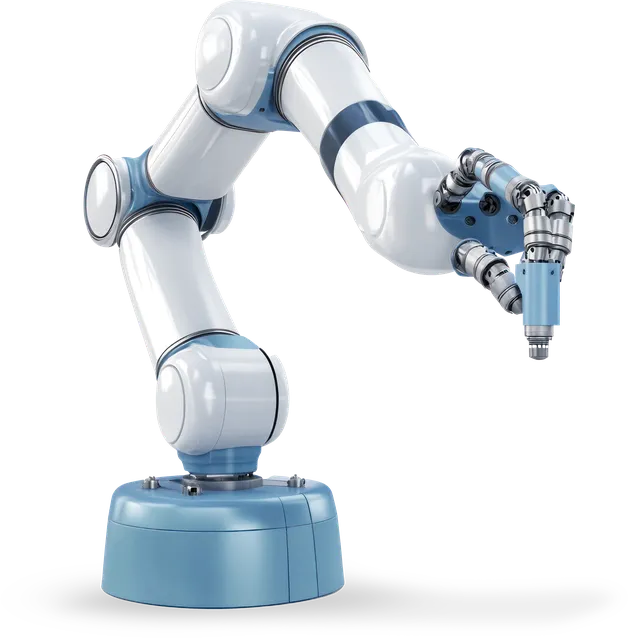
Physical AI Requires More
Than Software Engineering
As Physical AI products mature, engineering challenges expand beyond the core product. Organizations must develop multidisciplinary teams capable of working across robotics, AI, software, infrastructure, systems integration, and validation—while maintaining development velocity.
Common Challenges:
- Limited access to specialized engineering talent
- Pressure to accelerate development cycles
- Increasing technical complexity
- Growing infrastructure and integration requirements
- The need to continuously evolve products
The challenge is not simply adding engineers. It is building the engineering capability required to keep the product moving forward.
Growth Challenges
The Lack of Scalable
Organizational Capacity
Many organizations try to address engineering bottlenecks by turning to traditional IT staffing agencies or software outsourcing firms that operate in isolation. These models can help in times of need, but they fail to solve the underlying problem and do not provide a suitable environment for scaling.
Recruitment agencies and software outsourcing firms write code in complete isolation, disconnected from the physical hardware and the unstructured data generated in the field.
The result is a fragmented development environment where engineering velocity slows, technical debt increases, and internal product visionaries are pulled away from high-value innovation to address urgent operational issues.
Systemic Development Hurdles
Resource Dilution
Core software and robotics R&D teams spend up to 50% of their time handling routine field adaptations, system integration issues, and deployment support.
Knowledge Fragmentation
Technical solutions created during field deployments remain isolated with individual contractors, failing to become permanent corporate assets.
Onboarding Friction
Bringing new engineers up to speed on custom robotic architectures, ROS/ROS2 environments, and edge telemetry models takes months, delaying critical product releases.
Roles: Core Capabilities
& Technical Expertise
Physical AIDEVELOPMENT
Focused on designing, developing, validating, and continuously improving Physical AI products.
Software Engineers
Develop scalable software platforms, backend services, APIs, embedded applications, and cloud-native solutions that power Physical AI products.
- Python
- C++
- Java
- APIs
- JavaScript / TypeScript
- Software Architecture
- Distributed Systems
- Cloud Development
Robotics Engineers
Develop robotic software, autonomy capabilities, perception systems, and intelligent behaviors for real-world applications.
- ROS / ROS2
- Motion Planning
- SLAM
- Navigation
- Computer Vision
- Sensor Integration
- Robotics Middleware
AI & Machine Learning Engineers
Design intelligent systems capable of perception, prediction, reasoning, and continuous learning.
- Machine Learning
- Deep Learning
- Computer Vision
- Neural Networks
- MLOps
- Model Deployment
- AI Pipelines
QA & Validation Engineers
Ensure software quality, product stability, reliability, and release readiness throughout the development lifecycle.
- Test Automation
- Functional Testing
- Integration Testing
- Validation Frameworks
- Performance Testing
Physical AIINFRASTRUCTURE
Focused on connecting products with enterprise environments, cloud platforms, operational systems, and scalable technical infrastructure.
Infrastructure & Platform Engineers
Design and maintain the cloud and platform environments that support scalable Physical AI deployments.
- Kubernetes
- Docker
- AWS
- Azure
- Google Cloud
- CI/CD
- Infrastructure as Code
- Platform Engineering
Systems Integration Engineers
Connect Physical AI products with enterprise applications, industrial environments, and customer technology ecosystems.
- Enterprise Systems
- API Integration
- ERP
- MES
- IoT Platforms
- Network Architecture
- Cloud Connectivity
Solutions Architects
Design scalable technology architectures that align product capabilities with customer requirements and long-term business objectives.
- Solution Architecture
- Enterprise Architecture
- Scalability Planning
- Technical Leadership
- Integration Strategy
- Cloud Architecture
Physical AICUSTOMIZATION
Focused on adapting Physical AI products to customer-specific environments while preparing operational information for continuous improvement and future optimization.
Software Engineers
Develop scalable software platforms, backend services, APIs, embedded applications, and cloud-native solutions that power Physical AI products.
- Python
- C++
- Java
- APIs
- JavaScript / TypeScript
- Software Architecture
- Distributed Systems
- Cloud Development
Robotics Engineers
Develop robotic software, autonomy capabilities, perception systems, and intelligent behaviors for real-world applications.
- ROS / ROS2
- Motion Planning
- SLAM
- Navigation
- Computer Vision
- Sensor Integration
- Robotics Middleware
AI & Machine Learning Engineers
Design intelligent systems capable of perception, prediction, reasoning, and continuous learning.
- Machine Learning
- Deep Learning
- Computer Vision
- Neural Networks
- MLOps
- Model Deployment
- AI Pipelines
Robotics
& Intelligent Systems
Technologies that enable robots and intelligent machines to perceive, navigate, and interact with the physical world.
- ROS / ROS2
- Computer Vision
- SLAM
- Sensor Fusion
- LIDAR
- Motion Planning
- Autonomous Navigation
- Fleet Management Systems
- Robotics Middleware
- Embedded Robotics Software
Software
Engineering & AI
Technologies focused on building scalable software platforms and intelligent applications.
- Python
- C++
- Java
- MLOps
- Deep Learning
- Machine Learning
- JavaScript / TypeScript
- APIs & Microservices
- AI Model Integration
- Software Architecture
- Distributed Systems
Cloud Infrastructure
& Platform Engineering
Technologies that provide scalable, secure, and resilient environments for Physical AI products.
- AWS
- Microsoft Azure
- Edge Computing
- Kubernetes
- Docker
- CI/CD Pipelines
- Infrastructure as Code
- Google Cloud Platform
- Cloud-Native Applications
- Platform Engineering
Systems Integration
& Enterprise Connectivity
Technologies that connect Physical AI products with customer environments and enterprise ecosystems.
- Event Streaming
- MES Integration
- Industrial IoT
- Networking
- Data Pipelines
- APIs
- Enterprise Systems Integration
- ERP Connectivity
- Enterprise Connectivity
- Industrial Communication
- Protocols
Data Engineering
& Product Customization
Technologies that support the organization, adaptation, and preparation of operational information for continuous product evolution.
- Data Architecture
- Data Pipelines
- ETL Processes
- SQL
- Data Lakes
- Data Warehouses
- Workflow Design
- Business Process Integration
- Information Architecture
- Analytics Infrastructure
Flexible Engagement
Models
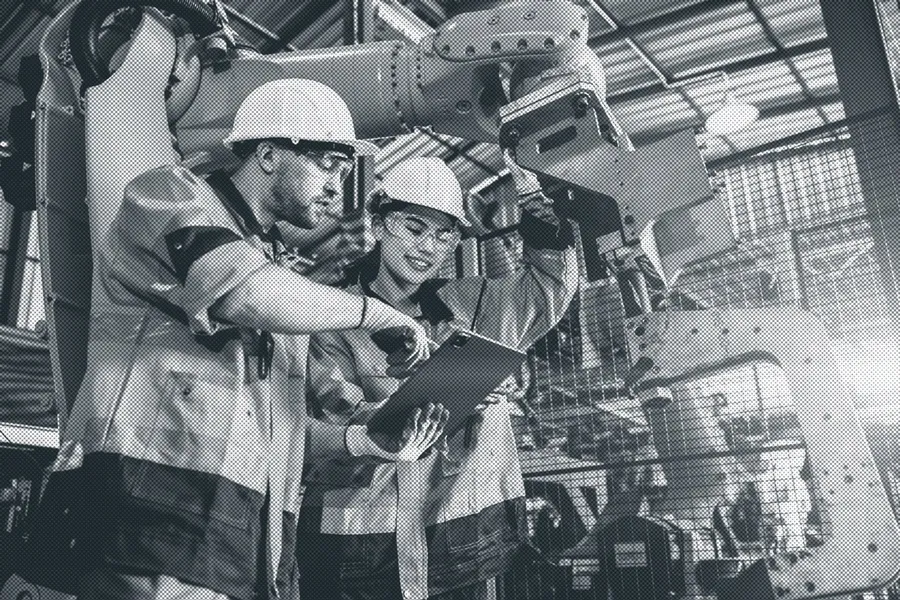
To support organizations across different stages of product maturity, our Technical Capabilities are delivered through two structured engagement models:
Embedded
Engineering Teams
Multidisciplinary engineering units integrated directly into your existing development structure, operating under shared management to drive continuous product development and platform continuity.
Dedicated
Specialists
Target-focused robotics, cloud, or embedded engineers deployed to solve specific system bottlenecks, establish best practices, and accelerate release cycles.
Benefits & Key
Business Outcomes
Engineering Performance
- 01
Accelerated Product Development
Expand engineering capacity without slowing internal teams or delaying strategic initiatives.
- 02
Increased Development Velocity
Reduce hiring bottlenecks and accelerate product evolution.
- 03
Improved Product Quality
Strengthen engineering practices through experienced multidisciplinary teams and proven development methodologies.
- 04
Access to Specialized Talent
Build engineering teams with expertise aligned to the unique demands of Physical AI technologies.
Technology Scalability
- 05
Stronger Technical Scalability
Build technical foundations capable of supporting long-term product growth.
- 06
Better System Integration
Enable products to interact more effectively with customer environments and enterprise ecosystems.
- 07
Better Data Readiness
Prepare operational information to support future optimization, analytics, and business intelligence initiatives.
Business Agility
- 08
Greater Organizational Flexibility
Scale engineering capabilities according to changing product and business needs.
- 09
Long-Term Innovation Capacity
Allow internal engineering teams to remain focused on the next generation of product capabilities.
- 10
Engineering Focus
Reduce distractions by enabling specialized teams to contribute across engineering initiatives without compromising strategic product roadmaps.
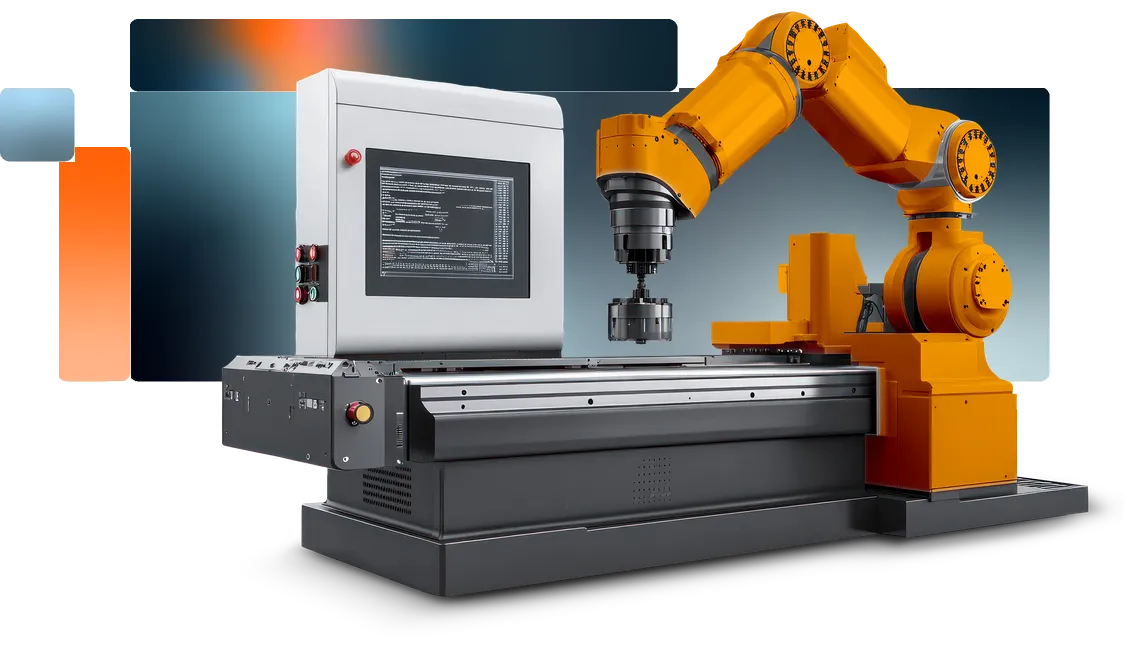
Capability Shaped
by Real Physical AI
Projects
Robotic Crew has supported organizations working across autonomous logistics, warehouse automation, robotics platforms, AI-enabled systems, and intelligent operational environments.
Its engineering experience spans:
- Product Engineering
- Engineering Team Augmentation
- Cross-Functional Engineering
- Product Customization
- Infrastructure & Systems Integration
The objective is not simply to provide engineering resources. It is to strengthen technical capability and support product evolution across different stages of the Physical AI Product Lifecycle.

Meet some of our Partners & Customers



Ready to Scale Your Engineering
Capacity with Confidence?
Partner with Robotic Crew to build the Technical Capability required to transform innovation into reliable real-world operations.